

Combination Treatment May Slow Disease Progression in Advanced Sarcoma
An oral combination treatment may prevent the progression of advanced leiomyosarcoma, one of the most common subtypes of soft tissue sarcoma, according to a recent study published in The Lancet Oncology.
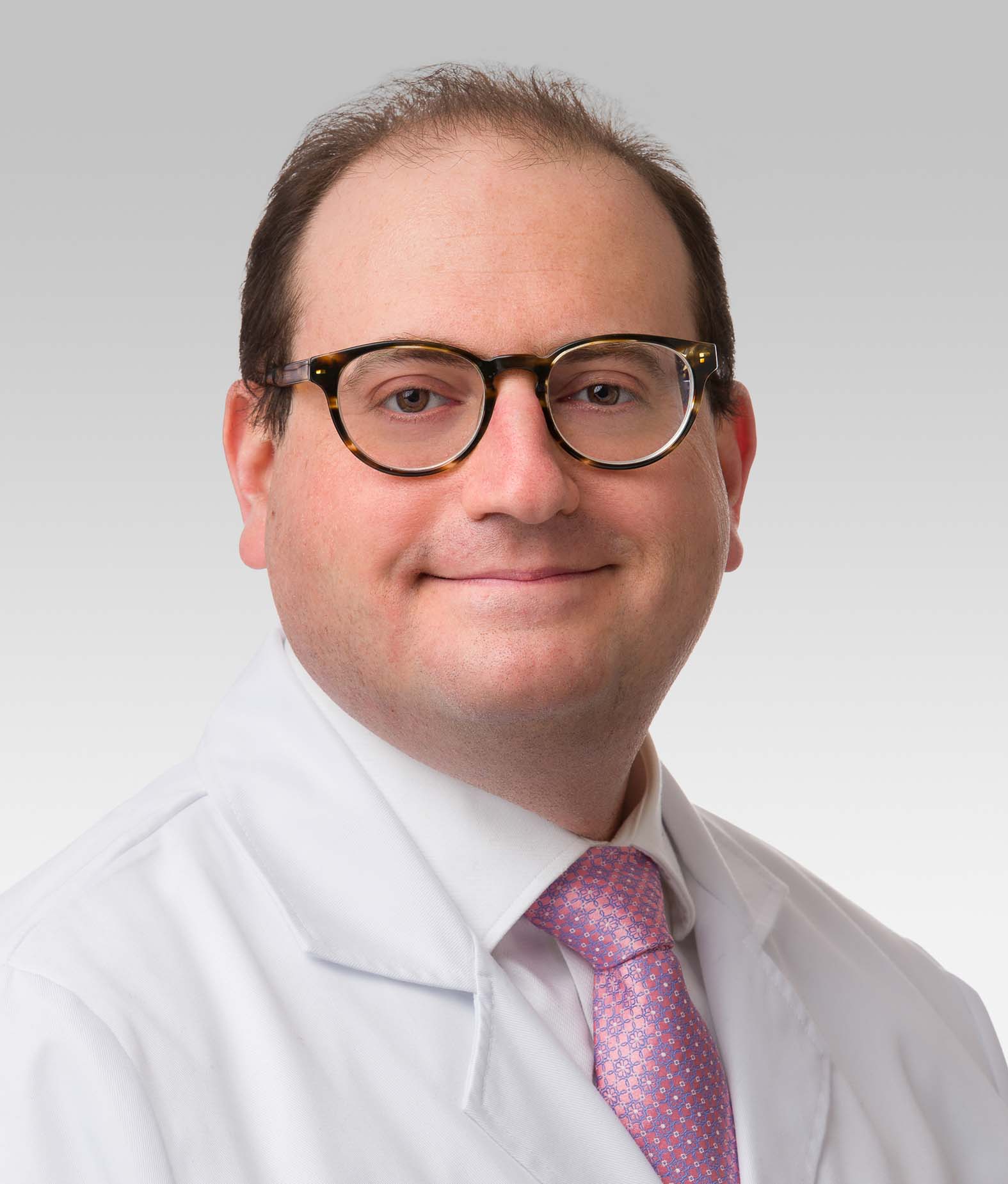
“These findings support the combination as a potential treatment option for patients with advanced leiomyosarcoma and provide a strong rationale for further study aimed at improving outcomes in this difficult-to-treat cancer,” the Seth Pollack, MD, the Steven T. Rosen, MD, Professor of Cancer Biology and a co-author of the study.
Leiomyosarcoma is a rare cancer caused by the uncontrolled growth of smooth muscle tissue cells that can quickly spread to other parts of the body with smooth muscle tissue, including the digestive system, blood vessels and the uterus.
For patients with advanced leiomyosarcoma, the standard of care involves systemic therapy, most often starting with chemotherapy such as doxorubicin, in addition to gemcitabine-based chemotherapy, trabectedin and pazopanib, among other aggressive treatments.
While these treatments have been shown to slow tumor growth, many patients will ultimately experience disease progression and the disease has an average survival rate of two years, highlighting an urgent need for more effective treatment options for advanced leiomyosarcoma.
In the current study, the investigators aimed to determine whether a combination treatment of cabozantinib, a tyrosine kinase inhibitor, and the oral chemotherapy drug temozolomide could slow disease progression in patients with advanced leiomyosarcoma.
Cabozantinib inhibits pathways involved in tumor growth and blood vessel formation specifically by blocking the VEGF receptor, which is overexpressed in sarcoma tumor cells. Temozolomide, which is part of the standard of care for sarcoma treatment, can be administered over long periods of time.
“Prior evidence suggested that combining anti-angiogenic therapies with chemotherapy could have complementary effects. The goal of this study was to determine whether an all-oral combination regimen could provide meaningful disease control for patients with advanced leiomyosarcoma who had already received multiple prior treatments,” said Pollack, who is also a professor of Medicine in the Division of Hematology and Oncology and a member of the Robert H. Lurie Comprehensive Cancer Center of Northwestern University.
A total of 72 patients with unresectable or metastatic leiomyosarcoma and other soft tissue sarcomas who had undergone previous treatment received oral cabozantinib (40 milligrams) once per day and temozolomide (150 milligrams/m2) on days one through five of a 28-day cycle for cycle one. During cycle two, temozolomide was increased to 200 milligrams/m2 on days one through five of each cycle. The primary endpoint was progression-free survival at 12 weeks.
At 12 weeks, progression-free survival was reached by 74 percent of patients who were still receiving cabozantinib and temozolomide. The combination treatment was also generally well tolerated by patients and there were no treatment-related deaths.
“Side effects were consistent with what is known about these drugs, most commonly involving low blood counts, along with manageable non-hematologic effects such as high blood pressure and diarrhea in a smaller number of patients,” Pollack said.
The findings suggest cabozantinib with temozolomide could be a potential treatment option for patients with advanced leiomyosarcoma.
Pollack said his team is currently studying other targeted approaches for leiomyosarcoma, including an ongoing clinical trial at Northwestern evaluating the single-agent tyrosine kinase inhibitor zanzalitinib.
“Together, these efforts reflect a broader strategy to expand and improve treatment options for patients with advanced leiomyosarcoma through thoughtfully designed clinical trials,” Pollack said.
This work was supported by Exelixis.
Legal Disclaimer:
EIN Presswire provides this news content "as is" without warranty of any kind. We do not accept any responsibility or liability for the accuracy, content, images, videos, licenses, completeness, legality, or reliability of the information contained in this article. If you have any complaints or copyright issues related to this article, kindly contact the author above.
