

University Study Shows How Teens React to Influencers’ Retouched Photos in Social Media

Babes-Bolyai University from Cluj-Napoca
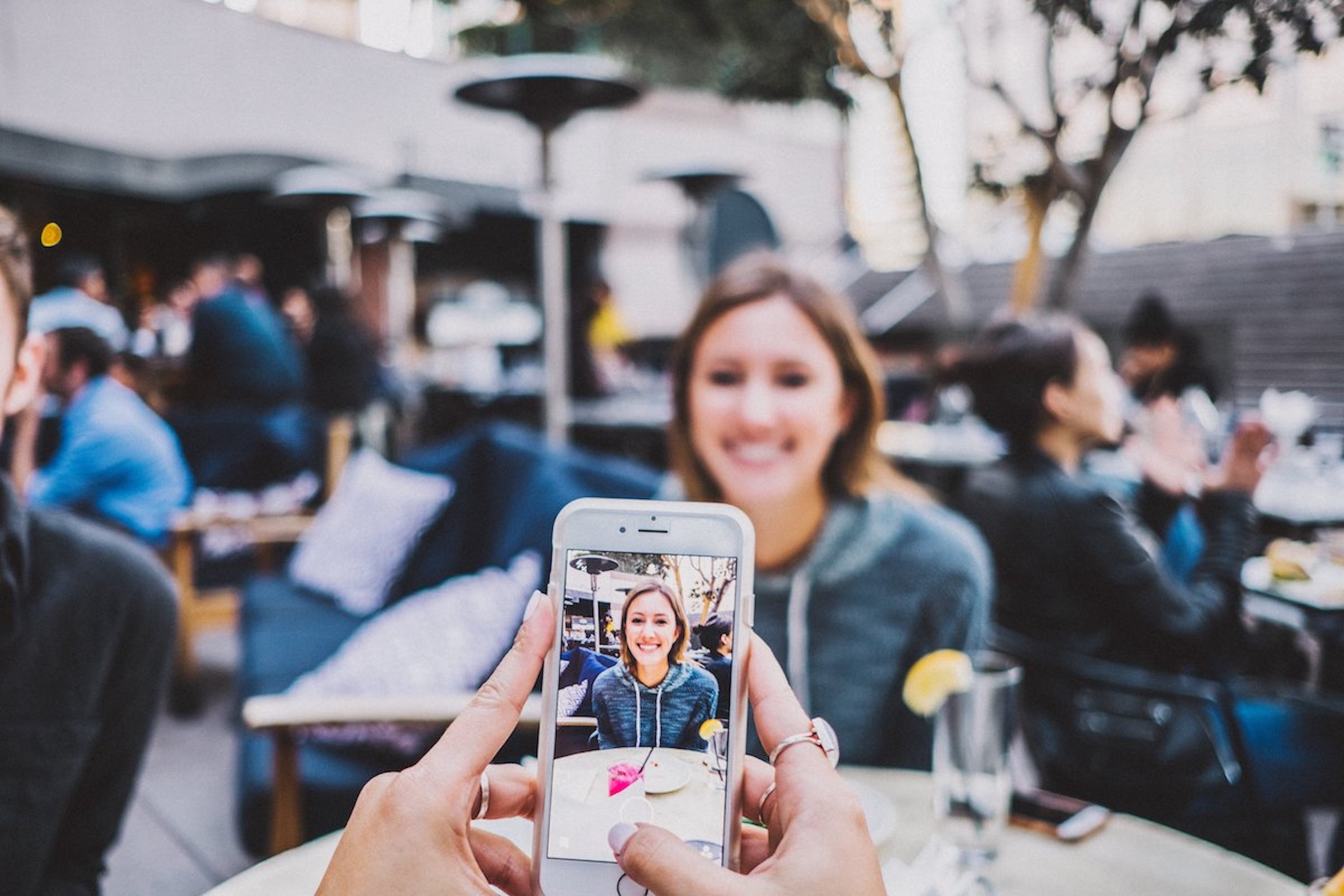
Photo by: Pexels from Pixabay

Find out more about UBB Core
A recent study shows that, although warning labels don’t always help them spot the retouching, the mere suspicion of manipulation can destroy trust in brands.
CLUJ-NAPOCA, TRANSYLVANIA, ROMANIA, March 18, 2026 /EINPresswire.com/ -- Anyone who spends time on Instagram knows that perfection is the order of the day. But what happens when teens realize that those “perfect” images are, in fact, digitally edited? A recent study shows that, although warning labels don’t always help them spot the retouching, the mere suspicion of manipulation can destroy trust in brands.The study, titled “Suspicious minds: Adolescents’ inferences of manipulative intent in retouched influencer ads,” was conducted by researchers Meda Mucundorfeanu and Delia C. Balaban from Babeș-Bolyai University in Cluj-Napoca. The study, published in the journal Acta Psychologica, analyzed how 148 Romanian adolescents (aged 15 to 18) process sponsored posts by influencers.
The Paradox of Warning Labels
In an effort to protect young people from unrealistic beauty standards, countries such as Norway have introduced laws requiring influencers to clearly label retouched photos. However, the study by researchers in Cluj revealed a surprising result: the presence of a “Retouched Person” label did not significantly improve teenagers’ ability to recognize digital edits.
It seems that, at this age, young people are so accustomed to the perfect digital aesthetic that it is difficult for them to distinguish where reality ends and Photoshop begins, even when they are warned.
Suspicion that harms the brand
Although labels are often ignored, the study demonstrated an important psychological mechanism: the intent to manipulate. When a teenager manages to detect (on their own) that an image has been altered, they perceive the act as a deceptive tactic.
The consequences are direct and negative for the companies advertising. The first is a loss of trust. Young people tend to believe that the brand is using unfair methods to convince them. The second consequence is a negative attitude: When they feel that the influencer is trying to “trick” them through hidden retouching, their attitude toward the promoted brand becomes much more critical.
Experts’ advice for parents and teachers
The researchers emphasize that digital education is more important than mere regulation. School curricula should teach young people not only to use technology but to view it critically, helping them understand that images on social media are often artificial constructs that do not reflect reality.
For brands and influencers, the message is just as clear: authenticity sells better than artificial perfection. In an era of filters, teenagers are beginning to value visual honesty more and more.
The results of this study are promoted by UBB Core, the Career Guidance Center for Researchers at Babeș-Bolyai University in Cluj-Napoca, Romania.
Bianca Pădurean
Cluj Today Association
email us here
Legal Disclaimer:
EIN Presswire provides this news content "as is" without warranty of any kind. We do not accept any responsibility or liability for the accuracy, content, images, videos, licenses, completeness, legality, or reliability of the information contained in this article. If you have any complaints or copyright issues related to this article, kindly contact the author above.
