

Great wheat begins in the lab
Also this month, the WGC will begin funding work on heat wave-resilient wheat by Smertenko, an associate professor in molecular plant sciences at WSU. Smertenko’s proposal outlined a goal of establishing a standardized framework to help scientists and farmers identify wheat varieties that perform well under heat stress.
Heat waves, especially when they occur in late spring or early summer during flowering, are becoming more of a problem for wheat production in Washington. Flowering is a critical stage when the plant reproduces, and high temperatures can interfere with this process, ultimately reducing grain yield. These effects are even worse when heat waves happen at the same time as drought.
Growers sometimes try to avoid heat damage by planting crops earlier, but this strategy is becoming less effective as weather patterns become more unpredictable, and heat waves happen earlier in the season. As changes in the climate increase the frequency and severity of heat and drought, it is important to understand the risks and develop varieties of wheat that are more tolerant of the stress brought by heat waves.
Wheat reproduction is particularly sensitive to heat stress, but current methods of evaluating crop performance mainly focus on the final yield at harvest. This approach misses important details about how stress affects different parts of the plant during development.
A wheat floret contains both male and female structures. The male part, called the stamen, produces pollen, while the female part, called the gynoecium, contains the ovary where seeds develop. These structures go through several stages, including meiosis, a type of cell division that produces reproductive cells, pollination, fertilization, and seed development.
Heat and drought can affect all these stages, but meiosis, anthesis, and the first two weeks of seed growth are particularly vulnerable. Because each stage depends on the previous one, damage early on can reduce the final yield. Currently, there are no widely used methods to evaluate how each stage responds to stress separately.
To address this gap, researchers have previously conducted greenhouse experiments to test how heat and drought affect different reproductive stages in wheat. They grew three varieties of spring wheat and planted them in a staggered schedule so that different plants were at different developmental stages at the same time. The plants were exposed to drought and then briefly heated to 42°C (107°F). Scientists examined the plants’ reproductive structures using fluorescence microscopy. They also measured how much yield was lost compared to unstressed plants. The results showed that different wheat varieties had different levels of tolerance at different stages. These results demonstrate that it is possible to identify varieties that are more resistant to heat stress by studying each reproductive stage carefully.
The overall goal of Smertenko’s research is to create a reliable system for evaluating and certifying how well wheat varieties can tolerate heat waves. This involves developing consistent testing methods and applying them to a wide range of wheat varieties from breeding programs. Smertenko also plans to establish field experiments where heat stress is applied in controlled conditions using specialized enclosures and heaters. The test is designed to monitor temperature closely and test plants at key developmental stages. The impact of stress will be measured using factors like grain number, grain weight, and the presence of damaged kernels. Statistical methods will be used to compare results across different varieties and stages.
The expected outcome is a standardized framework that helps scientists and farmers identify wheat varieties that perform well under heat stress. The project will also classify varieties based on their tolerance using a simple certification system: one star for tolerance at one stage, two stars for two stages, and three stars for tolerance at all key stages. Varieties with three-star certification are expected to maintain stable yields even when heat waves
occur at different times.
In the long term, using heat-tolerant wheat varieties will help reduce crop losses and improve stability in food production despite increasingly variable climate conditions.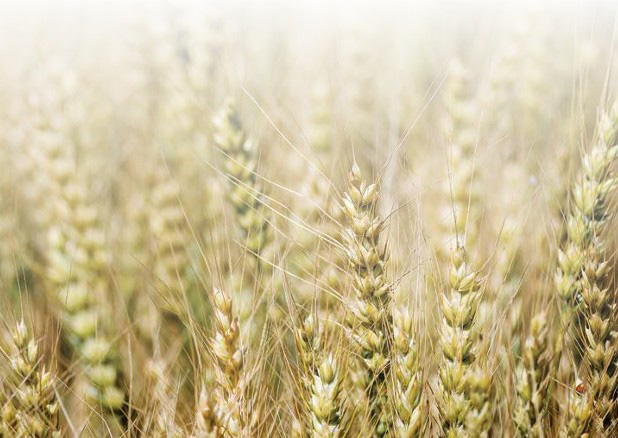
Legal Disclaimer:
EIN Presswire provides this news content "as is" without warranty of any kind. We do not accept any responsibility or liability for the accuracy, content, images, videos, licenses, completeness, legality, or reliability of the information contained in this article. If you have any complaints or copyright issues related to this article, kindly contact the author above.
